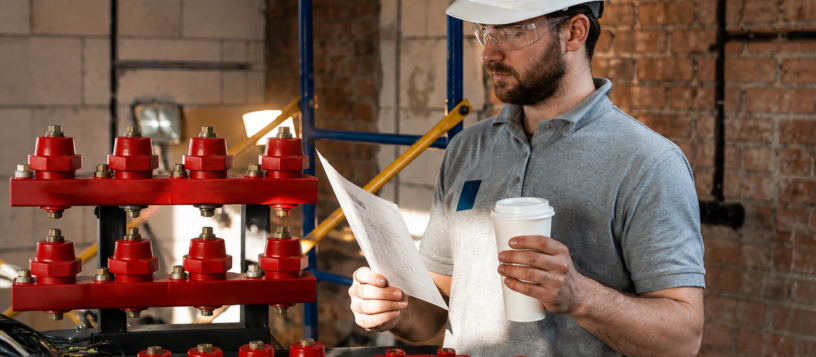
High Tension (HT) and Low Tension (LT) electrical systems are two essential parts of power distribution. While both are responsible for delivering electricity, they operate at different voltage levels and serve different purposes. Understanding the difference between HT and LT systems helps homeowners, businesses, and industries make informed decisions about electrical installations, safety, and energy efficiency.
Their experienced team handled our electrical installation efficiently and provided reliable solutions throughout the project
Amit Verma
What is an HT (High Tension) Electrical System?
An HT electrical system operates at high voltage levels, typically above 1,000 volts (1 kV). These systems are primarily used for transmitting electricity over long distances and supplying power to large industrial facilities, commercial complexes, hospitals, manufacturing plants, and infrastructure projects.
HT systems reduce energy losses during transmission by carrying electricity at higher voltages and lower current. Before electricity reaches homes or small businesses, transformers reduce the voltage to safer levels through the LT distribution network.
Common Applications of HT Systems
- Manufacturing industries
- Large commercial buildings
- Hospitals and healthcare facilities
- Shopping malls
- Power plants
- Data centers
- Large infrastructure projects
Advantages of HT Systems
- Efficient long-distance power transmission
- Lower transmission losses
- Suitable for heavy electrical loads
- Reduced current flow minimizes cable heating
- Reliable power supply for industrial operations
What is an LT (Low Tension) Electrical System?
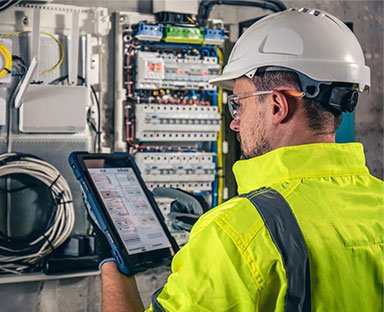
An LT electrical system operates at voltages up to 1,000 volts, commonly 230V (single-phase) and 415V (three-phase). LT systems distribute electricity directly to residential buildings, offices, schools, retail stores, and small businesses after the voltage has been stepped down by distribution transformers.
These systems are designed for everyday electrical usage and safely power lighting, air conditioning, appliances, computers, and other electrical equipment.
Common Applications of LT Systems
- Residential homes
- Apartment complexes
- Offices
- Retail shops
- Schools and colleges
- Restaurants
- Small factories
Advantages of LT Systems
- Safe for everyday electrical use
- Easy installation and maintenance
- Lower installation costs
- Ideal for residential and commercial applications
- Supports a wide range of electrical appliances
How HT and LT Systems Work Together
Electricity generated at power stations is transmitted through High Tension (HT) lines because higher voltage reduces transmission losses over long distances. At local substations, transformers step down the voltage to Low Tension (LT) levels, making it safe for homes, offices, and businesses. This coordinated process ensures efficient power delivery while maintaining safety and reliability.
Importance of Choosing the Right Electrical System
Selecting the appropriate electrical system depends on your power requirements, building size, and operational needs. Industrial facilities with heavy machinery require HT connections to handle large electrical loads efficiently, while residential and commercial properties typically rely on LT systems for everyday electricity consumption. Consulting a qualified electrical contractor ensures the system is properly designed, installed, and compliant with electrical regulations.
Safety Considerations for HT and LT Systems
Both HT and LT systems require regular inspections and preventive maintenance to ensure safe operation.
HT Safety Tips
- Only trained and authorized personnel should handle HT equipment.
- Use insulated safety tools and personal protective equipment (PPE).
- Perform routine transformer and switchgear inspections.
- Ensure proper grounding and protective relays.
- Follow all electrical safety regulations and lockout/tagout procedures.
LT Safety Tips
- Avoid overloading electrical circuits.
- Replace damaged switches, sockets, and wiring immediately.
- Install Residual Current Devices (RCDs) or Earth Leakage Circuit Breakers (ELCBs).
- Schedule periodic electrical inspections.
- Use certified electrical products and qualified electricians.
